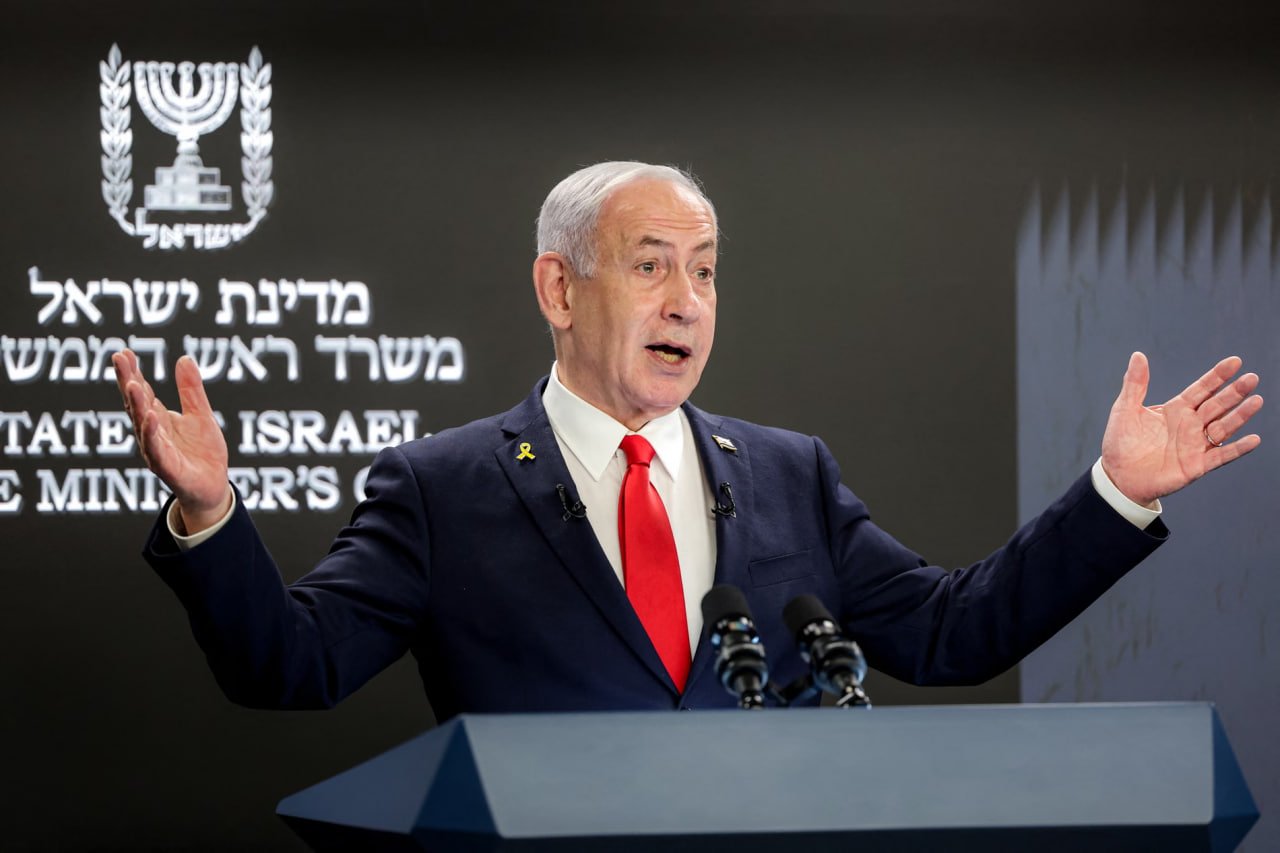
Israeli Prime Minister Benjamin Netanyahu has sharply criticized Australia, calling its potential recognition of Palestinian statehood “shameful” and accusing it of “marching into a rabbit hole.” This strong reaction highlights the ongoing tensions in the Israeli-Palestinian conflict and the global debate over statehood recognition. Here’s a breakdown of the situation and its implications.
What Happened?
Australia has reportedly been considering recognizing Palestinian statehood, a move that has drawn fierce criticism from Netanyahu.
- Netanyahu’s Statement: The Israeli leader accused Australia of undermining peace efforts by supporting Palestinian statehood.
- Australia’s Position: While no official decision has been made, Australian officials have hinted at exploring the possibility.
- Global Context: Several countries have recognized Palestinian statehood, but the issue remains highly contentious.
Why Is Netanyahu Reacting So Strongly?
Netanyahu’s harsh response reflects Israel’s long-standing opposition to unilateral recognition of Palestinian statehood.
- Peace Process Concerns: Israel argues that statehood should only come through direct negotiations, not unilateral actions.
- Political Pressure: Netanyahu faces domestic criticism for his handling of the conflict, making his stance on statehood a key issue.
- International Relations: The move could strain Israel’s ties with Australia and other nations considering similar steps.
Australia’s Potential Shift
Australia’s possible recognition of Palestinian statehood marks a significant shift in its foreign policy.
- Historical Position: Australia has traditionally aligned with Israel, making this potential change notable.
- Global Trends: Many countries have recognized Palestinian statehood, and Australia may be following suit.
- Domestic Debate: The issue has sparked debate within Australia, with supporters and critics voicing their opinions.
Implications for the Israeli-Palestinian Conflict
Australia’s move, if realized, could have far-reaching consequences for the conflict and international diplomacy.
- International Pressure: More countries recognizing Palestinian statehood could increase pressure on Israel to negotiate.
- Peace Process Impact: Unilateral recognition might complicate peace efforts, as Israel opposes such actions.
- Global Relations: The issue could further polarize international opinions on the conflict.
Global Reactions to Netanyahu’s Criticism
Netanyahu’s comments have sparked mixed reactions worldwide.
- Support for Israel: Some nations and groups have backed Netanyahu, agreeing that statehood should come through negotiations.
- Criticism of Netanyahu: Others have criticized his strong language, calling it counterproductive to peace efforts.
- Australia’s Response: Australian officials have yet to formally respond but may address the issue in the coming days.
What’s Next?
The situation remains fluid, with several potential outcomes.
- Australia’s Decision: If Australia moves forward with recognition, it could encourage other nations to do the same.
- Israel’s Response: Israel may take diplomatic or economic measures in response to Australia’s decision.
- Peace Process: The move could either reignite or further stall peace negotiations between Israel and Palestine.
Final Thoughts
Netanyahu’s sharp criticism of Australia’s potential recognition of Palestinian statehood underscores the deep divisions in the Israeli-Palestinian conflict. While some see unilateral recognition as a step toward peace, others argue it undermines negotiations.
As Australia weighs its decision, the global community will be watching closely to see how this development shapes the future of the conflict and international diplomacy.
Leave a Reply